
Why Some Schools Close for Snow and Others Stay Open in the Same Snowfall
Every winter, a confusing situation repeats itself across snowy regions: one school district announces a closure, while another just a few miles away stays open even though the snowfall looks almost the same. Parents, students, and teachers often ask the same question: why some schools close for snow in some areas but not in others?
The truth is, snow days are not decided by snowfall alone. Many hidden factors influence these decisions, which is why relying only on snow depth can be misleading. This article explains why some schools close for snow, why others stay open in the same snowfall, how decisions are made, and where tools like the snow day calculator and snow day predictor fit into the process.
Why Some Schools Close for Snow The Core Decision Factors
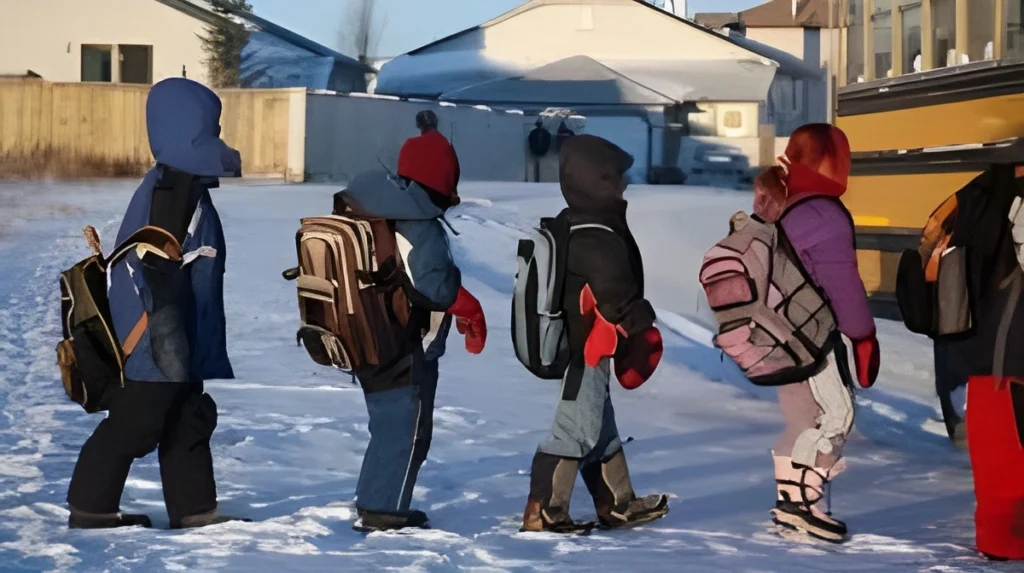
School closures during winter weather depend on a combination of safety, infrastructure, and local experience not just snow accumulation. These are the main reasons why some schools close for snow while others do not.
Road and Transportation Safety
One of the biggest reasons why some schools close for snow is road safety.
- Rural districts often rely on long bus routes
- Icy bridges and untreated roads increase accident risk
- Visibility during early morning hours matters more than total snowfall
Even light snow can trigger closures if roads are icy or untreated.
Snow Removal Infrastructure
Not all cities handle snow the same way, which directly affects why some schools close for snow.
- Northern regions usually have fast snow-plowing systems
- Southern or low-snow areas lack equipment and experience
This explains why some schools don’t close for light snow, while others do.
Timing of the Snowfall
Timing plays a critical role in understanding why some schools close for snow.
- Overnight snowfall is more dangerous
- Morning ice formation increases risk
- Afternoon snow may not affect school hours
A snowfall forecast showing 2 inches overnight can be more disruptive than 5 inches during the day.
Why Some Schools Stay Open Despite Heavy Snow
It often feels unfair when one district closes and another doesn’t. But there are logical reasons why some schools stay open even when nearby districts close for snow.
Local Experience with Snow
Areas that experience frequent snowfall develop systems to handle it efficiently.
- Trained drivers
- Pre-treated roads
- Flexible school schedules
This is why some schools don’t close for light snow in snow-prone regions.
District Policies and Risk Tolerance
Every district has its own safety threshold, which explains why some schools close for snow earlier than others.
- Some prioritize caution
- Others focus on attendance consistency
This policy difference is a major reason why some schools close for snow differently.
How Schools Decide Snow Days
Many people don’t realize how complex snow day decisions are or why some schools close for snow while others remain open.
Weather Data and Forecast Models
Administrators analyze:
- Snowfall forecast accuracy
- Ice probability
- Wind chill and visibility
This process is similar to how a snow day predictor works, using multiple data points instead of guesswork.
Coordination with Local Authorities
Schools consult:
- Transportation departments
- Police reports
- Emergency management teams
This collaboration heavily influences why some schools close for snow in certain areas.
Historical Closure Patterns
Past behavior matters when deciding why some schools close for snow.
- Districts analyze what worked before
- Parent and staff feedback is considered
This historical approach is also a core principle behind the snow day calculator.
Snow Day Calculator vs Real School Decisions
Many users ask if a snow day calculator accurately explains why some schools close for snow. The answer: it’s an estimate not a guarantee.
What a Snow Day Calculator Uses
A modern snow day calculator analyzes:
- Live snowfall forecast
- Historical closures
- Local climate behavior
This explains why snow day calculator United States data may differ from Canada.
Snow Day Predictor for Canada
A snow day predictor Canada model adjusts for:
- Harsher winter norms
- Higher snow tolerance
- Regional infrastructure
Both tools help users understand why some schools close for snow, but final decisions always rest with districts.
Why Snowfall Forecast Alone Is Not Enough
Many people rely on snowfall totals alone, but that doesn’t fully explain why some schools close for snow.
Snow Type Matters
- Wet snow is heavier and more dangerous
- Dry snow is easier to manage
Ice Is More Dangerous Than Snow
A small ice layer can shut schools faster than several inches of snow.
Temperature and Wind Chill
Extreme cold affects:
- Student safety
- Bus reliability
- Outdoor supervision
These factors clearly explain why some schools close for snow and others stay open in the same snowfall.
Conclusion
So, why some schools close for snow while nearby districts remain open comes down to safety, experience, infrastructure, and timing not just snowfall totals. Understanding these factors helps parents and students make sense of confusing winter mornings.
Tools like the snow day calculator and snow day predictor provide helpful estimates by analyzing real data, but they don’t replace official decisions. The next time snow falls and schools respond differently, you’ll know exactly why some schools close for snow.


