
How Much Snow Is Unsafe to Drive? Tips & Safety Precautions 2026
Winter driving can be deceptively dangerous. Even a few inches of snow can transform familiar roads into slippery, unpredictable surfaces. Knowing how much snow is unsafe to drive is crucial for every motorist, especially in areas prone to snowfall or icy conditions. From reduced visibility to hidden black ice, winter hazards challenge both drivers and vehicles. Understanding these risks and preparing accordingly can make the difference between a safe journey and a dangerous situation.
Want to check if it’s snowing in your area today? Click the button below to use our Snow Day Calculator and Predictor tool!
How Much Snow Is Unsafe to Drive
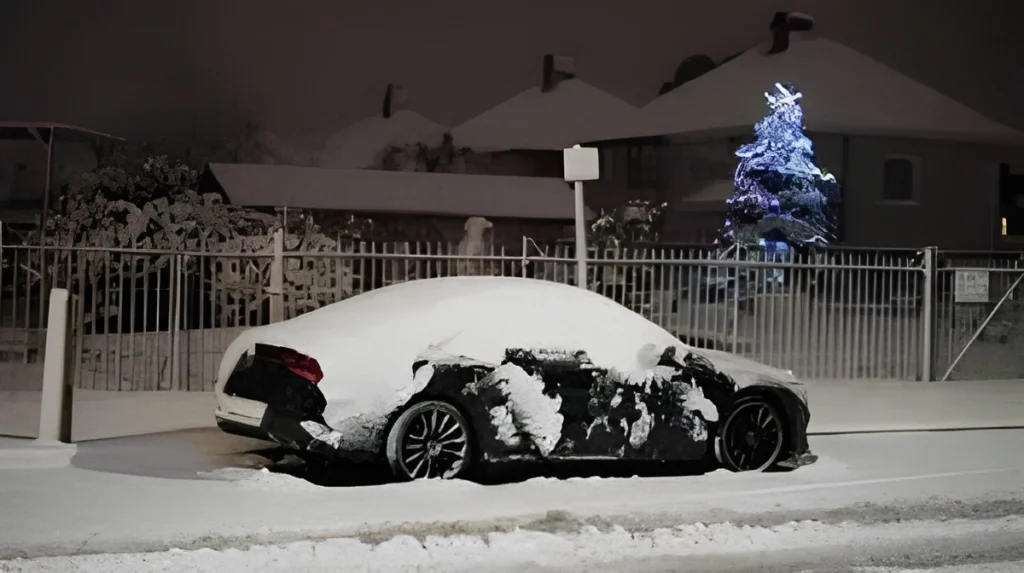
Even light snow can be hazardous if drivers are unprepared. Roads covered in fresh snow or compacted ice reduce tire traction, increasing stopping distances and making handling unpredictable. According to research, just 1–2 inches of snow can lead to a significant rise in road accidents. This highlights why knowing how much snow is unsafe to drive is not just a guideline, but a safety necessity.
Additionally, winter conditions often bring freezing temperatures that affect both the vehicle and the driver. Frosted windshields, icy brakes, and slippery roads require extra caution. Drivers should always keep winter emergency kits ready, including blankets, food, water, a flashlight, and tools like an ice scraper or shovel. These preparations can be life-saving during unexpected delays or snow-related accidents.
Risk Factors for Driving in Snow
Understanding risk factors helps you anticipate and prevent dangerous situations on snowy roads.
Vehicle Breakdown Risks
Cold weather and heavy snow increase the likelihood of vehicle issues. Batteries may fail, fuel lines can freeze, and tires lose traction on icy surfaces. Even well-maintained cars can struggle in deep snow. Knowing how much snow is unsafe to drive helps you decide whether a trip is worth the risk or if it’s better to stay home.
Low Visibility
Blowing snow, fog, and heavy snowfall can quickly reduce visibility to near zero. Even light snow, when combined with strong winds, can create white-out conditions, making navigation extremely difficult. Drivers are more prone to accidents when they cannot see road markings, other vehicles, or potential hazards ahead.
Slippery Roads
Snow and ice create slick driving conditions. Compacted snow forms a nearly invisible layer of ice known as black ice, which is especially dangerous. Vehicles can lose traction, slide during braking, and spin out unexpectedly. These factors emphasize why understanding how much snow is unsafe to drive is essential for planning safe trips.
The Role of Snow Day Calculator & Predictor
Modern tools like snow day calculator and AI snow day predictor can be invaluable for drivers and families. These tools estimate the likelihood of school or road closures based on weather forecasts and snow accumulation. While they are often used by schools, drivers can also use them to assess the risk before traveling. Checking these tools helps determine if a trip is necessary or if waiting for safer conditions is wiser.
By combining real-time Weather data from snow day calculator with local weather alerts, motorists can avoid unnecessary risks. This proactive approach ensures safer winter driving, especially when snow accumulation reaches levels considered unsafe.
Top Tips for Safe Driving in Snow
Safety during winter driving is more than just knowing how much snow is unsafe to drive. Here are essential tips for staying safe:
Prepare Your Vehicle
- Ensure tires are properly inflated and have sufficient tread.
- Check brakes, windshield wipers, and battery health.
- Keep an emergency kit ready with blankets, food, water, and a flashlight.
Adjust Your Driving
- Drive slowly and maintain a longer following distance.
- Avoid aggressive acceleration or sudden braking.
- Understand how your brakes respond, especially if your car has ABS or older braking systems.
Handle Hills and Slopes Carefully
- Avoid stopping on hills, as regaining traction on icy inclines can be difficult.
- Let momentum carry you uphill and minimize throttle input.
- Braking downhill should be gentle and controlled to maintain stability.
Monitor Weather & Road Conditions
- Check local forecasts before driving.
- Use snow day predictors or calculators to anticipate hazardous roads.
- Share your travel plan with friends or family for safety tracking.
Stay Alert for Hidden Dangers
- Watch for black ice, snow drifts, and icy patches.
- Be cautious near bridges, shaded roads, and intersections.
- Pull over safely if visibility drops below safe levels.
Conclusion
Determining how much snow is unsafe to drive is critical for preventing accidents and staying safe during winter. Even light snow can pose serious hazards if drivers are careless or unprepared. By understanding risk factors, checking snow day calculators, and following proper winter driving practices, you can significantly reduce the chances of accidents.
Remember, the safest winter driving strategy is preparation, caution, and patience. Avoid unnecessary trips when snow accumulates, respect road closures, and equip your vehicle for emergencies. By combining knowledge, planning, and vigilance, you can safely navigate winter roads even when snow makes driving risky.


