
Why Winter Weather Predictions Are Often Wrong in 2026
Winter weather forecasts are something people rely on daily, especially when snowstorms, icy roads, or school closures are involved. Yet, many people find themselves asking the same question again and again: why winter weather predictions are often wrong. One day the forecast shows heavy snow, and the next day it completely changes. This inconsistency can be frustrating and sometimes even dangerous.
Understanding why winter weather predictions are often wrong requires looking at how weather systems work, how forecasts are created, and where their limitations exist. Winter weather is far more complex than it appears on a phone screen or weather app, and even small changes in atmospheric conditions can lead to very different outcomes.
The Complexity of Winter Weather Systems
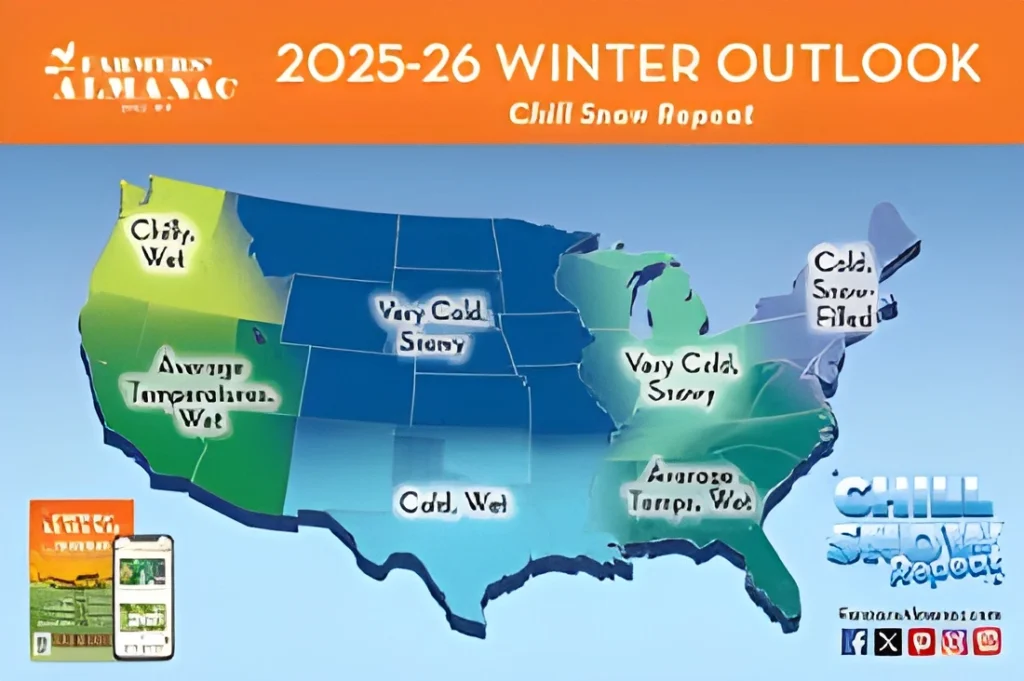
Winter weather is not just about cold temperatures or snowfall. It involves multiple factors such as air pressure, humidity, wind speed, and temperature layers in the atmosphere. These elements interact constantly, and a minor shift in one can completely change the final result.
This complexity is one major reason why winter weather predictions are often wrong. For example, a storm system moving slightly north or south can turn predicted snowfall into rain or freezing rain. Weather models try to calculate these movements, but nature does not always follow predictable paths.
How Weather Forecasts Are Created
Weather forecasts are based on computer models that analyze vast amounts of data collected from satellites, radar systems, weather stations, and balloons. These models simulate how the atmosphere may behave in the future.
However, models are only as good as the data they receive. If data is missing or delayed, predictions become less reliable. This explains why weather prediction errors happen more frequently during winter, when conditions change rapidly and unpredictably.
Microclimates and Local Weather Variations
One overlooked factor is microclimates. A microclimate is a small area where weather conditions differ from surrounding regions. Cities, valleys, coastal areas, and mountainous regions all create their own localized weather patterns.
Because of microclimates, forecasts made for a large region may not accurately reflect what happens in a specific neighborhood. This local variation is another reason why winter weather predictions are often wrong, especially when it comes to snow accumulation amounts.
Temperature Fluctuations and Snow Type
Snow is highly sensitive to temperature. A difference of just one or two degrees can determine whether precipitation falls as snow, sleet, freezing rain, or plain rain.
For example:
- Temperatures slightly above freezing may melt snow before it reaches the ground.
- Cold air trapped near the surface can cause freezing rain instead of snow.
- Warm air layers higher in the atmosphere can completely alter snowfall predictions.
These rapid temperature changes are one of the biggest challenges in winter weather forecasting.
Limitations of Weather Models
No weather model is perfect. Each forecasting model has strengths and weaknesses. Some models perform better at predicting large storms, while others handle short-term weather changes more accurately.
When forecasters rely heavily on one model, inaccuracies can occur. This limitation contributes to why winter weather predictions are often wrong, especially during complex winter storms where multiple models disagree.
Why Snow Accumulation Is So Hard to Predict
Predicting how much snow will actually accumulate on the ground is extremely difficult. Snowfall totals depend on:
- Ground temperature
- Soil warmth
- Sunlight intensity
- Snow density
- Wind direction
Even if snow falls steadily, it may melt upon contact with warm surfaces. This explains why predicted snowfall totals often differ from reality, leading people to question forecast accuracy.
Sudden Weather Changes and Storm Speed
Winter storms can speed up, slow down, weaken, or intensify unexpectedly. A storm that was expected to arrive overnight may arrive hours earlier or later, changing road conditions and safety risks.
Sudden shifts in storm speed and intensity highlight why winter weather predictions are often wrong, even with advanced technology. Weather systems remain dynamic until the very last moment.
Why Weather Apps Sometimes Show Conflicting Forecasts
Different weather apps use different models and data sources. One app may rely on a global forecast model, while another uses regional data.
As a result:
- One app may predict heavy snow
- Another may show light snowfall or rain
This inconsistency confuses users and reinforces the idea that winter weather forecasts are unreliable.
The Role of Human Interpretation
While computers generate forecasts, human meteorologists still interpret the data. Forecast decisions involve judgment calls, especially when data is uncertain.
Human interpretation adds experience but also introduces variability. Two meteorologists may interpret the same data differently, contributing to forecast differences and reinforcing why winter weather predictions are often wrong in borderline situations.
How Forecast Updates Improve Accuracy
Weather forecasts usually become more accurate closer to the event. This is why forecasts change frequently during winter storms.
Early forecasts give a general idea, but final predictions depend on real-time radar updates and observed conditions. Understanding this process helps people manage expectations and trust updated forecasts more than long-range predictions.
How AI Is Improving Winter Forecasting
Artificial intelligence is helping improve weather prediction accuracy by analyzing massive datasets faster than traditional models. AI can detect patterns that humans may miss, especially in complex winter systems.
However, even AI has limitations. While it improves short-term accuracy, it cannot eliminate uncertainty entirely. This shows that even advanced technology cannot fully solve why winter weather predictions are often wrong.
How to Use Winter Forecasts Wisely
Instead of relying on a single forecast, users should:
- Check multiple sources
- Monitor updates frequently
- Focus on trends rather than exact numbers
- Prepare for worst-case scenarios
This approach reduces frustration and improves safety during winter weather events.
Conclusion
Understanding why winter weather predictions are often wrong helps reduce frustration and improves decision-making. Winter weather is complex, dynamic, and sensitive to small changes that technology cannot always predict perfectly. By staying informed, checking updates, and preparing ahead of time, people can navigate winter conditions more safely and confidently.


